
Understanding Brain Injury: Causes, Symptoms, and Legal Options
Understanding Brain Injury
Brain injuries can be life-altering, affecting not only the individual but also their families and communities. Understanding the causes, symptoms, and legal options available can be crucial in navigating the complexities that come with such injuries. This guide aims to shed light on these important aspects.
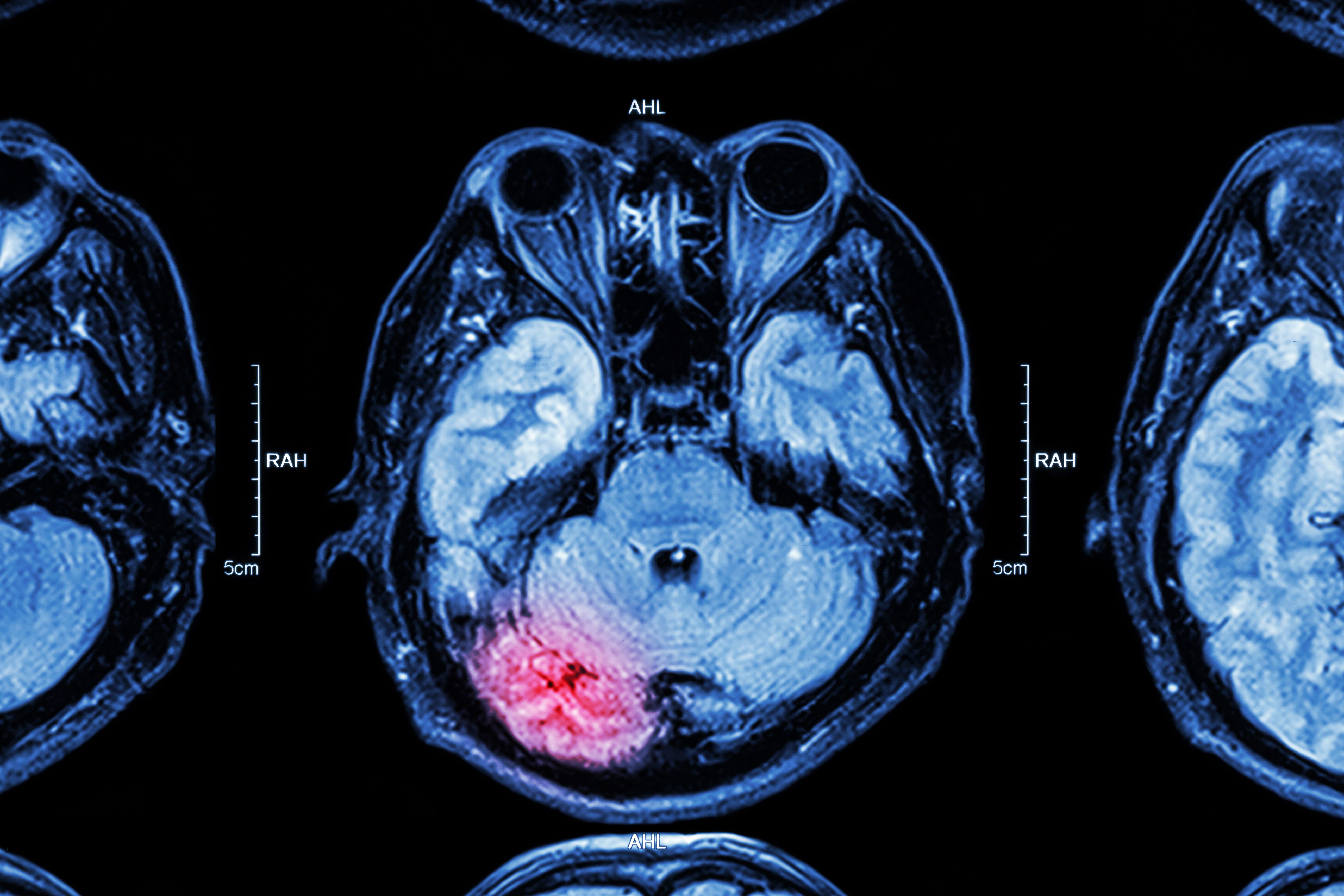
Causes of Brain Injury
Brain injuries can arise from a variety of incidents. Some of the most common causes include:
- Traumatic Brain Injury (TBI): Often resulting from falls, car accidents, or sports injuries.
- Stroke: A sudden interruption in blood flow to the brain.
- Infections: Conditions like meningitis can lead to brain damage.
- Aneurysms: A bulging blood vessel that can burst and cause bleeding in the brain.
Each cause requires specific medical attention and understanding the root can aid in proper treatment.
Recognizing Symptoms
Symptoms of brain injuries can vary widely based on severity and location of the injury. Common symptoms include:
- Physical Symptoms: Headaches, dizziness, and fatigue.
- Cognitive Symptoms: Confusion, memory loss, and difficulty concentrating.
- Emotional Symptoms: Mood swings, depression, and anxiety.
Early detection and treatment are crucial to improve outcomes. If you suspect a brain injury, seek medical attention immediately.
Legal Options Available
In cases where brain injuries result from accidents or negligence, legal options may be available to the injured party. Here are some potential avenues:
- Personal Injury Claims: These can help cover medical expenses and lost wages.
- Workers' Compensation: If the injury occurred at work, this might be an option.
- Social Security Disability Benefits: For long-term or permanent disabilities.

Consulting with a legal professional can help determine the best course of action based on individual circumstances.
Conclusion
Understanding brain injuries involves a comprehensive look at their causes, symptoms, and the legal options available. Educating yourself and seeking professional guidance can make a significant difference in recovery and quality of life. Remember, you are not alone, and resources are available to help navigate these challenges.